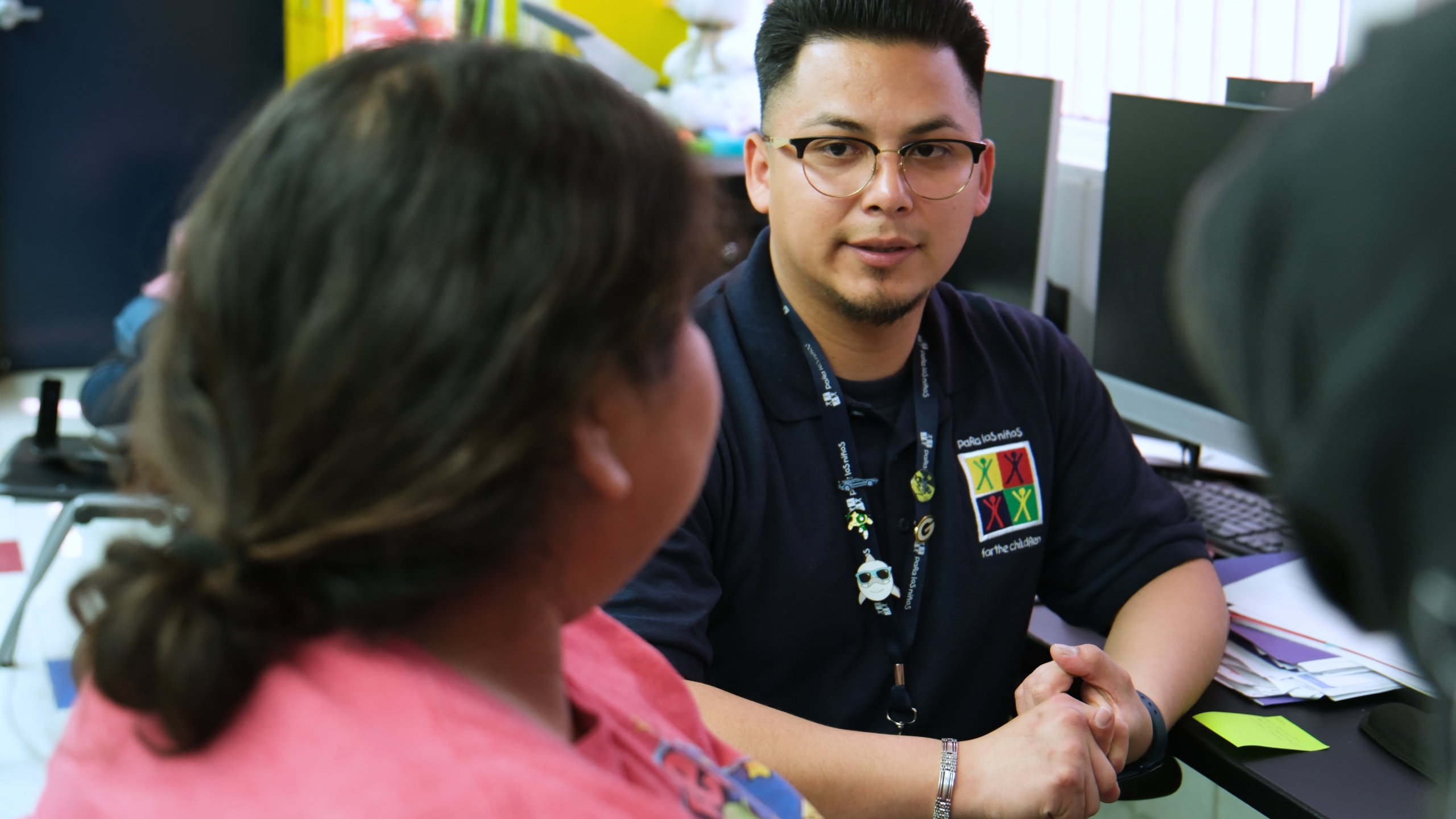
In 2025, I wrote a love letter to nonprofits, thanking them for invaluable contributions to our society during an incredibly difficult time. Looking back on the year that has passed, my gratitude has only deepened. Nonprofits proved themselves to be extraordinary warriors. They found themselves in a fight and did not back down. They kept serving. They pivoted and innovated. They showed up relentlessly for communities – while also standing together to confront injustice and the legal, policy, and systemic threats aimed at their work. Their leadership and staff modeled heroism that was sometimes quiet and steadfast, and at other times unmistakably bold.
Looking forward into 2026, the landscape for nonprofits and the communities they serve continues to shift, demanding further creativity, adaptability, and collective vigilance. At the center of these shifts is a growing recognition that sustaining mission-driven work requires flexibility, partnership, and shared power. Even as community-centered nonprofits navigate uncertain revenue streams, high inflation, and a threatening policy landscape, they continue to innovate, serve, and lead.
Against this backdrop, NFF is actively monitoring several trends that will shape how mission-driven organizations sustain the work and how capital can be deployed most equitably and effectively.
Chief among these is the ever-present and increasingly urgent need for flexible, multiyear funding. Funders are seeking to support nonprofits in creative ways as their federal funding is threatened or pulled. Local governments are recognizing the need to further invest in the local nonprofit infrastructure to support their constituents who are facing difficulties from food insecurity to insufficient affordable housing. And philanthropy, government, CDFIs, and nonprofits are partnering to expand community ownership of assets.
These trends reflect a simple truth: healthy communities need healthy nonprofits. In 2026, NFF will continue to advocate for financial systems that are more responsive, just, and aligned with the realities nonprofits are facing. The trends we are tracking reflect both the challenges ahead and the possibilities we can unlock when we invest in community wealth and well-being.
What follows are perspectives from NFF’s leadership on the trends shaping the sector, and how we are helping to move them forward in 2026:

More government leaders must recognize nonprofits as essential community partners.
“Nonprofits have shown up for every community through COVID-19 and many natural disasters, proving they are essential providers – not charitable afterthoughts. Yet they’re still treated as if they can run on goodwill instead of real operating dollars and fair wages for their staff. I’m hopeful that funders and nonprofit leaders will unite and invest in advocacy so government at every level recognizes and values nonprofits as true operating partners in serving our country,” said Annie Chang, Vice President, Community Engagement.
Communities should have greater control of shared assets.
“There is growing momentum around community ownership of assets, which means that community members have ownership and governance of assets that build collective wealth and well-being. We’re increasingly seeing this move from idea to reality, in structures like community land trusts and perpetual purpose trusts to stabilize commercial corridors. Community ownership works best when there are aligned goals and coordinated efforts from community leaders, government, philanthropy, nonprofits, and investors – and when benefits accrue to the community,” said Kristin Giantris, Chief of Client Services.
We must invest in rebuilding a sense of community.
“We’re in a bittersweet moment of selective awakening: bitter because nonprofit leaders have long carried the weight of our historical truths and the cyclical nature of public awareness, and sweet because we continue to hold a shared vision of what our communities can become. We’re energized by renewed opportunities to rebuild the sense of community that frayed during the pandemic. We hope to see more funders and partners invest in that rebuilding – whether community is defined by place or by lived experience – because that’s ultimately what moves us forward,” said Dorothy Jones, Vice President, Consulting.
We must invest in rebuilding a sense of community.
“Cross-sector partners from government, philanthropy, and CDFIs are increasingly leveraging each of their strengths to collaboratively respond to local or regional low-cost capital needs. For example, the Inland Empire Community Foundation recently asked NFF to manage a revolving loan fund, using loan capital from the City of Riverside and San Bernardino County, to make flexible loans with affordable interest so nonprofits can expand their service reach in the Inland Empire. We’re seeing similar creativity and partnership on accessible capital for nonprofits in New York and New Jersey as well,” said Jess LaBarbera, Chief of Staff and Vice President, Strategic Initiatives.
Affordable housing investment is critical.
“The shortage of affordable housing and the ever-rising cost of living is pushing more people into housing insecurity and homelessness. Reforms to housing policy, investment from the public and private sectors, and capital from CDFIs to fill in critical gaps can all play a role in reversing these trends. In 2026, NFF is doubling down on financing the production of more affordable and supportive housing to address this crisis. By making flexible capital more accessible to mission-driven developers, we aim to increase the supply of affordable housing, while also contributing to the capacity of those developers – both emerging and established – to remain strong and stable for the long haul,” said David Streim, Vice President, Financing.
Donor-advised funds have transformative potential.
“Donor-advised fund (DAF) assets were $326 billion at the end of 2024 and continuing to grow rapidly. And with the millennial wealth transfer in progress that is estimated to be $46 trillion by 2045, there is real energy around how capital can organize, move, co-partner with community, and ultimately solve many of our society’s inexorable problems. To realize this potential, we hope to see policy and regulation that creates transparency and encouragement/incentive to move these dollars into meaningful, publicly beneficial projects,” said Rakiba Kibria, Vice President, Resource Development.
AI holds promise for supporting the sector’s staff.
“In 2026, I am excited about the promise of AI. For our sector, AI is not about automation for its own sake, but about deploying tools safely and responsibly in service of mission, equity, and scale. I believe that with a clear vision, undergirded by strong governance, AI can become a practical part of the everyday toolkit – unburdening staff time while also helping us adapt to growing demands, and ultimately deepening our impact in communities without compromising trust or values,” said Jana L Reed, Chief Operating Officer.
We need to advocate for CDFIs as vital civic infrastructure.
“I was in Washington, D.C. recently, advocating for the CDFI sector and the role we play in bringing our own capital and bank capital to invest in communities that might not otherwise have access. It was heartening to see bipartisan recognition of how important CDFIs are in supporting and building up the small businesses, housing stock, nonprofits, and job growth that are bedrocks of our country,” said Jen Talansky, Vice President, Marketing & Communications.
Authors
- Advocacy
- Consulting
- Financing
- Government Funding
- Nonprofit Resilience
- Philanthropic Funding
- Community-Owned Assets
- Housing
- Nonprofit Sector