Big Sur Land Trust brings nature back to the heart of Salinas
NFF provided Big Sur Land Trust (BSLT) a $500,000 bridge loan to cover costs while it waited for grant reimbursements during the construction of Ensen Community Park, a multi-benefit park and wetland restoration project in Salinas, California.
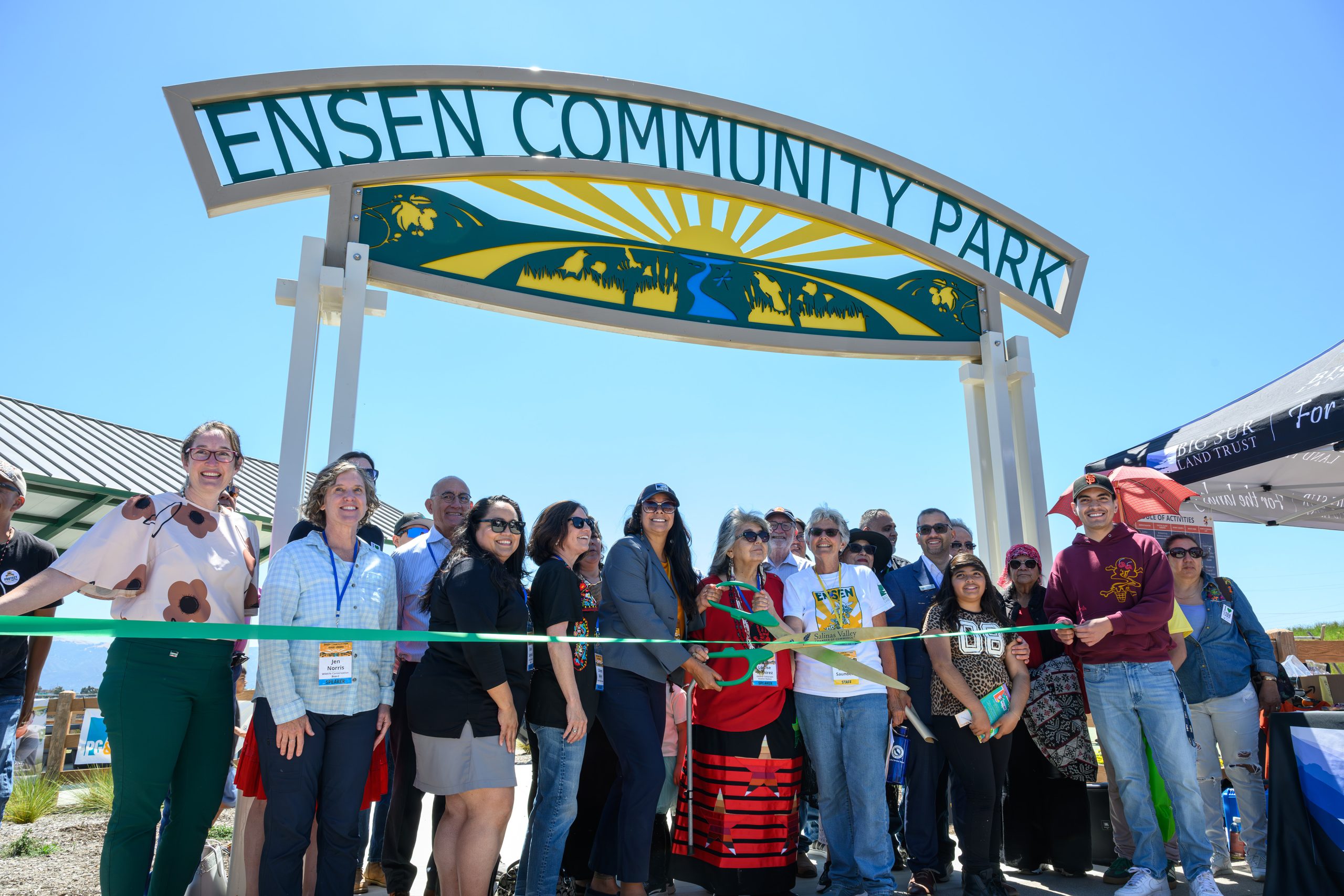
In Salinas, a decades-old dream has come true. Ensen Community Park transformed former farmland in the middle of this California city into a long sought-after space for people to gather, play, and exercise, as well as a restoration area that cleans polluted waterways and brings wildlife back to the area.
The 73-acre park is the result of close coordination between the nonprofit Big Sur Land Trust and the local community. “It was important to community members that the word community be in the name, since the park grew from the bottom up,” says Rachel Saunders, Vice President of Conservation, Big Sur Land Trust. The name is also a nod to the land’s history: Ensen is the Esselen word for blackberry, an important food source for Indigenous peoples in the area.
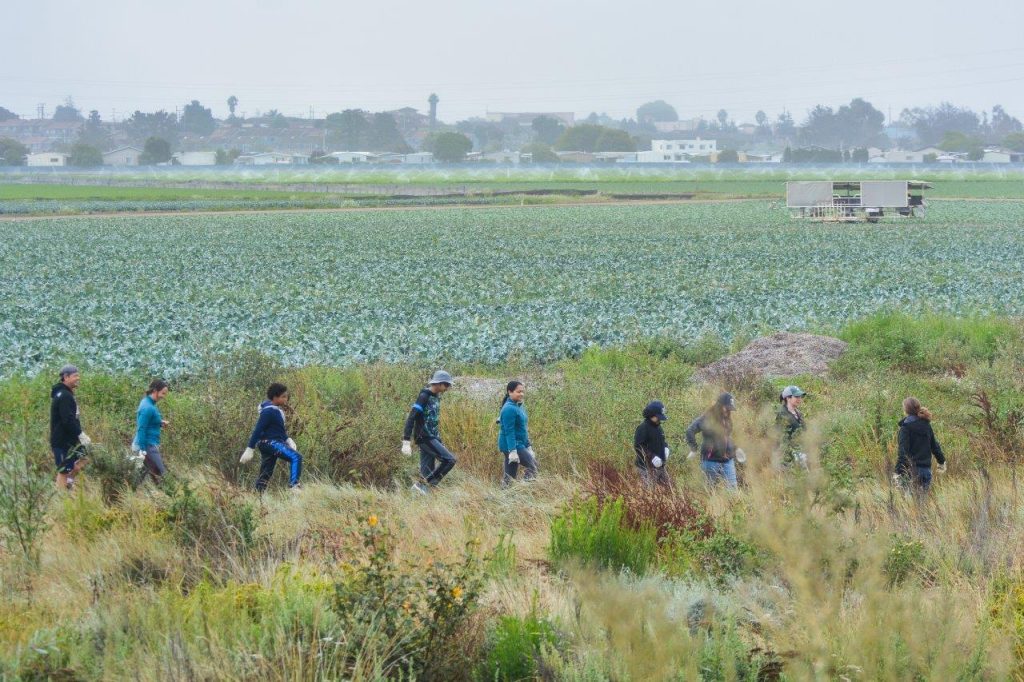
Big Sur Land Trust has spent decades conserving more than 45,000 acres of land across Monterey County, California. Much of that work has been focused on the scenic coastland that attracts visitors from around the world. But when Salinas youth came out on Big Sur Land Trust trips or participated in their summer camp, CEO Jeannette Tuitele-Lewis says, they would ask, “How come I don’t have nature where I live?” The land trust began to look for a way to rectify that.
From farmland to parkland
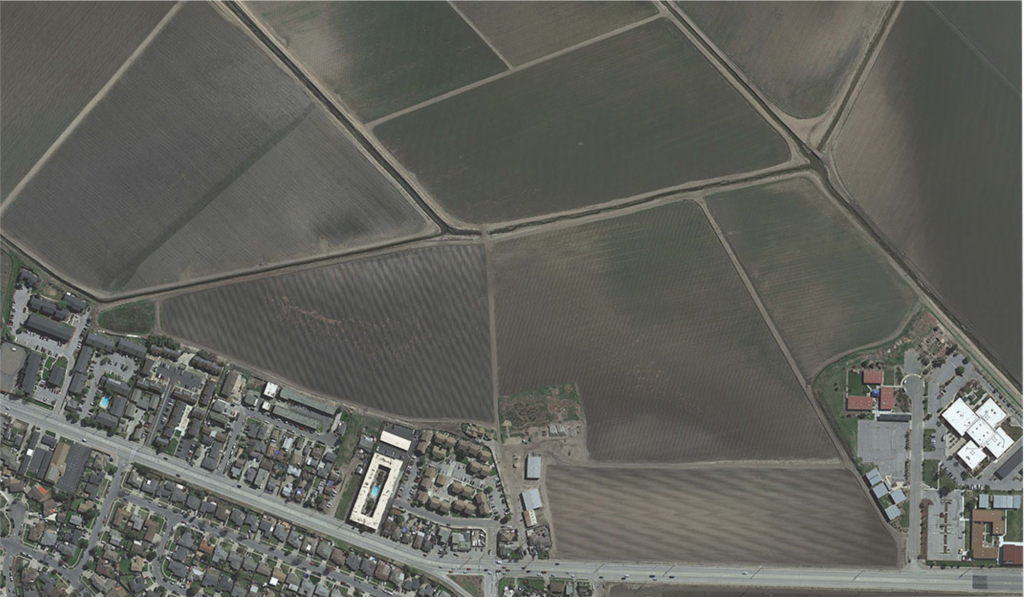
The land on which Ensen Community Park sits is largely a floodplain, a once-marshy area known locally as Carr Lake, that was drained in the 1930s and used for farming until the early 21st century. For over a decade, Big Sur Land Trust worked with the families that owned the land to fulfill the community’s wishes to build a park there. They purchased the land in 2017, 73 acres total, and got to work.
Over the next nine years, Big Sur Land Trust engaged over 7,000 community members and city officials through meetings, surveys, and presentations to shape the future park.
Two parks in one
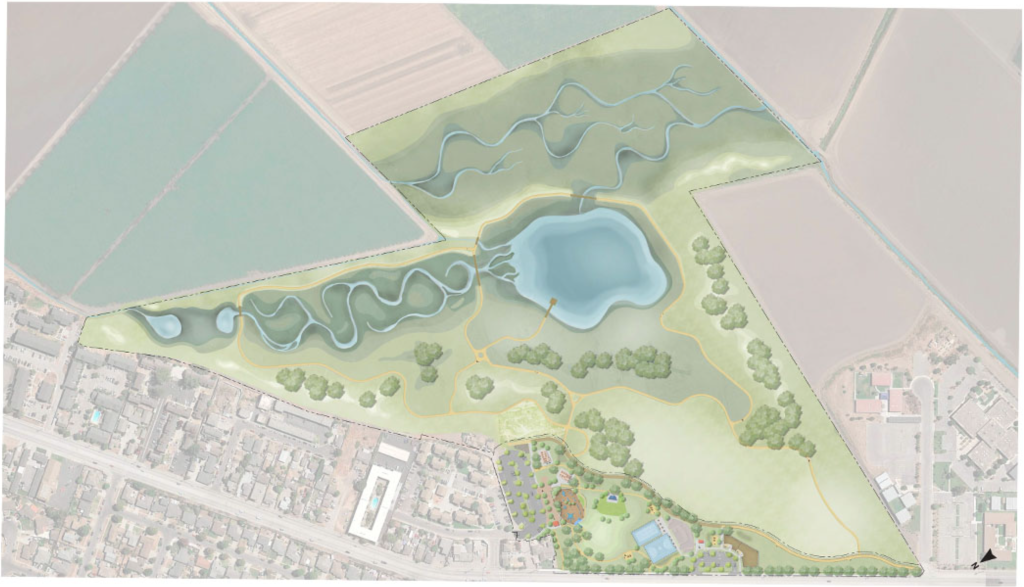
The 73-acre multi-benefit park features two sections, with each part playing a distinct role.
A 6-acre neighborhood park, opened in August 2025, sits in the section above the floodplain. Here families can enjoy a playground, amphitheater, skate park, basketball courts, barbecues, picnic areas, and a dog park – Salinas’ second. There are also plaques that feature the history of the land and the people who shaped it, from the indigenous people of the Ohlone/Costanoan-Esselen Nation – whose chairwoman suggested the name Ensen – to the Chinese laborers who dug the drainage ditches over a century ago, to the Japanese American family who farmed it from the 1920s until Big Sur Land Trust bought it.
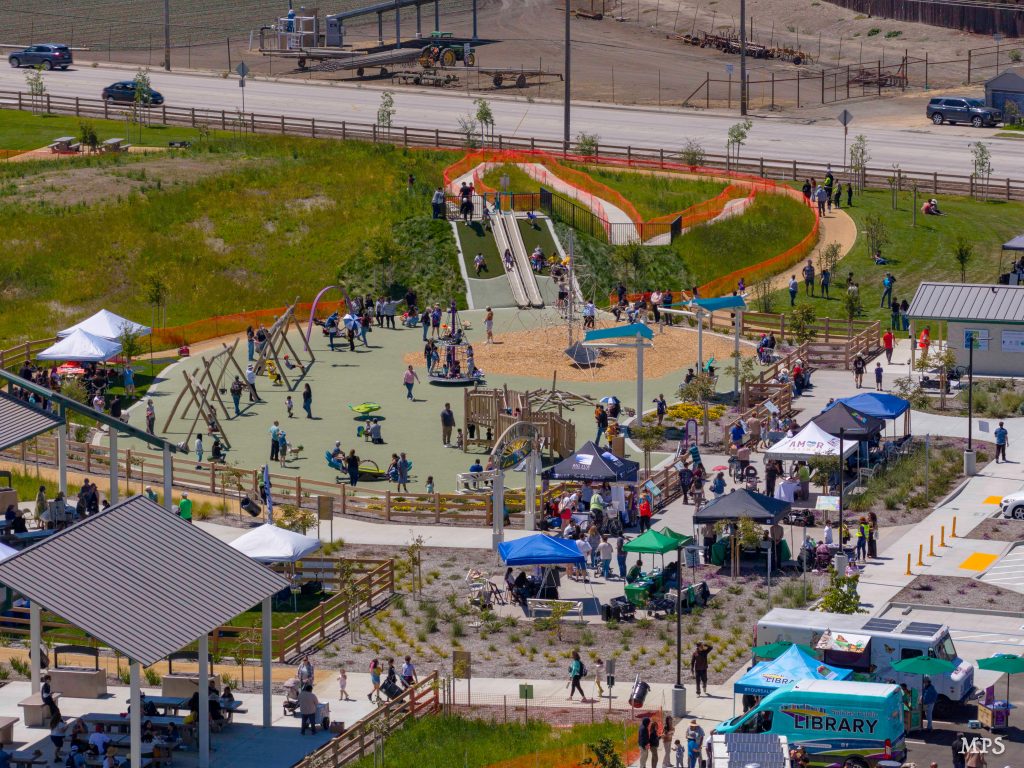
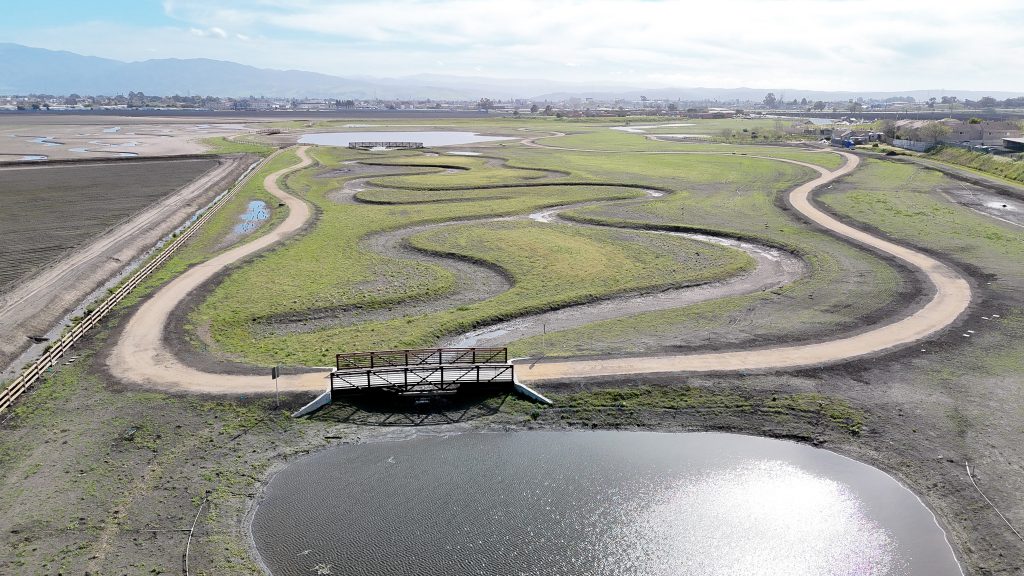
Within the floodplain sits a 67-acre restoration area, opened in September 2026, that features 1.7 miles of recreation trails, seasonal wetlands that clean water runoff, and habitat where wildlife has already begun to return. The wetland treats water that flows in from the city and farms, minimizing pollution in an area with a lot of agricultural runoff. To restore farmland to its marshier past, Big Sur Land Trust recontoured the landscape, moving 120,000 cubic yards of soil.
Bridging a timing gap
Ensen Community Park was the biggest project Big Sur Land Trust had embarked on, nearly $40 million across grants from the state of California and the city of Salinas, foundation support, and donations from individuals and local organizations.
Big Sur Land Trust didn’t have all that money in hand. Because many of the grants were paid through reimbursement rather than up-front, the land trust needed financing so it could pay staff and keep construction on schedule while waiting for reimbursement. NFF provided a $500,000 bridge loan to close that reimbursement timing gap.
“On paper, a lot of large projects have the funding they need, and it’s easy to think they’re all set and ready to go,” explains Erangi Dias, Senior Director, Environmental Finance, NFF. “But in the real world, a lot of grants come in on a reimbursement basis.”
“It was such a blessing to be able to work with Nonprofit Finance Fund to help us figure out how we were going to close that cash flow gap when we really needed it.”
Jeannette Tuitele-Lewis, CEO, Big Sur Land Trust
The future of Ensen Community Park
Ensen Community Park is now owned and operated by the city of Salinas, while Big Sur Land Trust continues to manage the restoration area to ensure it takes hold.
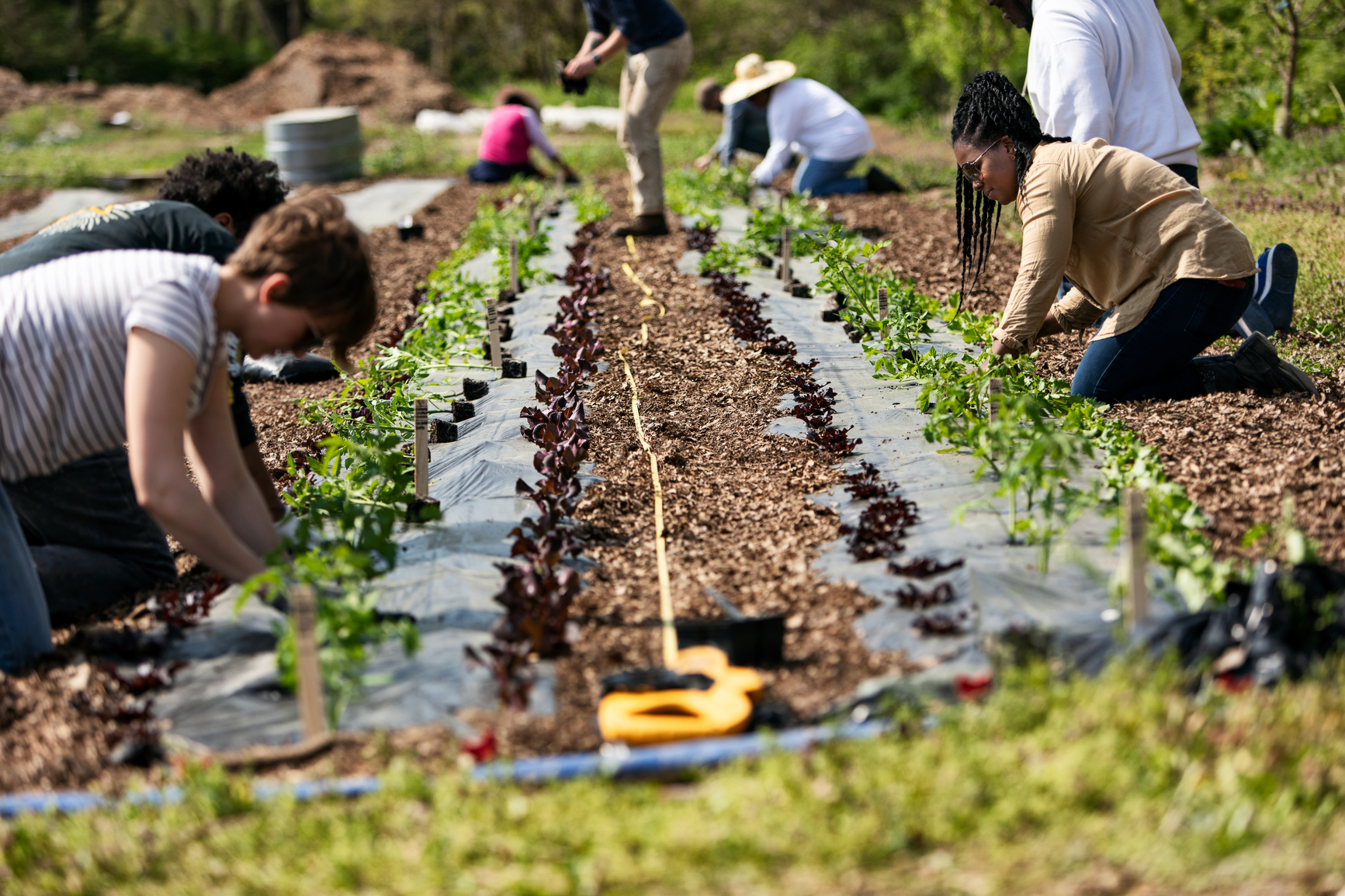
Salinas native Jennifer Vasquez, a Conservation Program Assistant at Big Sur Land Trust, runs regular conservation programming at Ensen Community Park that includes planting, weeding, and park cleanup. She says locals are asking for opportunities to volunteer and take ownership of the park. “When I first started working in 2019, I would ask people if they knew who Big Sur Land Trust was, and they’d say, ‘No.’ And today, they’ll see me drive the van and say, ‘Oh, Big Sur Land Trust, thank you so much for this park!’”
For years to come, the people of Salinas will enjoy the benefits of cleaner air and water, open green spaces, areas to gather and play, and restored habitat, all in a community park they helped to create.
Transcript
Rachel Saunders: There’s an area in the middle of the city of Salinas that has locally been known as Carr Lake.
Beth Febus: 100 years ago, Carr Lake was this swampy, marshy wetland, and humans altered it for the purposes of agriculture. And it was farmed for 100 years.
Rachel Saunders: And the city of Salinas grew up around it.
Beth Febus: When the farmers decided to stop farming, that was the real opportunity to come and rebuild this habitat that used to be there, these wetlands, all these meandering creek channels.
Jeannette Tuitele-Lewis: How might we be able to solve some of the ecological challenges of the Carr Lake basin, as well as provide community with direct benefits that they could feel beyond the flood management or the capture of water and cleaning of water?
Big Sur Land Trust is a local land conservation organization. We work to conserve land across landscapes across Monterey County. We work to inspire love of land across generations and promote access to outdoor experiences for all.
As Big Sur Land Trust really began to expand our mission, one of the things that we realized was that although we had conserved some of the most iconic lands in the world – people would come from all over the world to visit – there were a lot of people living in our own communities that didn’t have any access to parks and open space.
Josefina Villicana: I’m from Salinas, so I wasn’t very much exposed to the Big Sur and Monterey areas, especially the scenic route. So coming over here, it just opened a lot of new experiences I didn’t know I could take part in.
Jennifer Vasquez: The first time I encountered Big Sur Land Trust was back in 2013. I was in high school. Big Sur Land Trust at that time was really thinking about who are we serving, and why are we serving certain communities. I participated in the three-day, two-night camp. It was really different from any other environmental education program that I had experienced in the past, and I wanted to explore that a little bit more and learn more about Big Sur Land Trust. So I dedicated my summers to Big Sur Land Trust, because that work really called to me. Salinas is where I live, and I wanted to be a part of the Ensen Community Park project.
Rachel Saunders: We partnered with community organizations. We partnered with residents who literally sat around design tables with us – over 7,000 people – to co-create what this was going to look like, and to help educate them as to what the land told us was possible there. And then they in turn educated us as to what they wanted to see.
Jeannette Tuitele-Lewis: The project has two different main features. It has an actual traditional park that’s about six and a half acres that’s above the floodplain, and that’s really the neighborhood park element. The second is roughly about 68 acres, and that is the floodplain management and the restoration.
Rachel Saunders: Because this area can flood – it’s designed to do that – you can’t put infrastructure out here. We’ve kind of reoriented some of the waterways to create what’s called a treatment wetland.
Jeannette Tuitele-Lewis: That will clean the water before it reaches the reclamation ditch and then flow out, so that the water that leaves the property will be cleaner than the water as it flows into the property.
Rachel Saunders: This whole area was recontoured with machinery.
Jeannette Tuitele-Lewis: 120,000 cubic yards of soil. And it was really within a month of that that we came out and started to see some of the birds coming back in these waterways, and it was just amazing.
Erangi Dias: I think it’s often thought that this is a process of humans protecting nature. But I feel like, as much as humans are protecting nature, nature is also protecting humans through these preserved spaces. It gives tremendous health benefits to local residents. That could be in terms of the clean air, clean water, opportunities for recreation that these open green spaces provide. Also, just the opportunities to connect with nature more quietly and really just breathe, and have that restorative benefit really be felt.
Jeannette Tuitele-Lewis: Working on a project at this scale was an enormous lift for a local nonprofit.
Beth Febus: We have been fortunate to receive a lot of grant funding for this project. There’s been a lot of support. One of the tricky parts about all of these generous grants that we’ve gotten from the state of California is that they’re reimbursable. And so you have to output the funds, then prove it with receipts and invoices and everything, and submit those at the end of each quarter, and then you get reimbursed. So the cash flow implications of this project have been pretty large.
Jeannette Tuitele-Lewis: That invoicing process and that waiting time for a small nonprofit is really challenging. We’re having to figure out how to keep the lights on and all of the things.
Erangi Dias: What NFF’s bridge loan does is that it really just fills that gap between when the cash is needed and when the cash will come.
Jeannette Tuitele-Lewis: It was such a blessing to be able to work with Nonprofit Finance Fund to help us figure out how we were going to close that cash flow gap when we really needed it.
Jennifer Vasquez: So when I graduated college, my calling really was to stick with Big Sur Land Trust. It’s community first. It’s people first. People are asking for volunteer opportunities. They’re asking for the next park cleanup, the next restoration cleanup. And I’ve seen ownership grow.
Rachel Saunders: Just watching people enjoy the space and celebrate it, and all the feedback we got from residents, we take it as a signal that our process was a good one, and that we kept our promise to the community.
Josefina Villicana: Being able to invite friends and family members and knowing that I took part in it, it’s felt rewarding.
Jeannette Tuitele-Lewis: We really believe that healthy lands, healthy people, and healthy communities are all linked. For far too long, those things have been viewed as separate. And that has really allowed for, I think, a disconnect in how we think about our place and our responsibility as community members, as humans, to take care of the places that we love. Because those places take care of us.
Learn how NFF’s financing supports organizations in climate resilience, education, community improvement, health, homelessness and housing, human services, social justice, workforce development, and youth development. See more examples of financing in action.