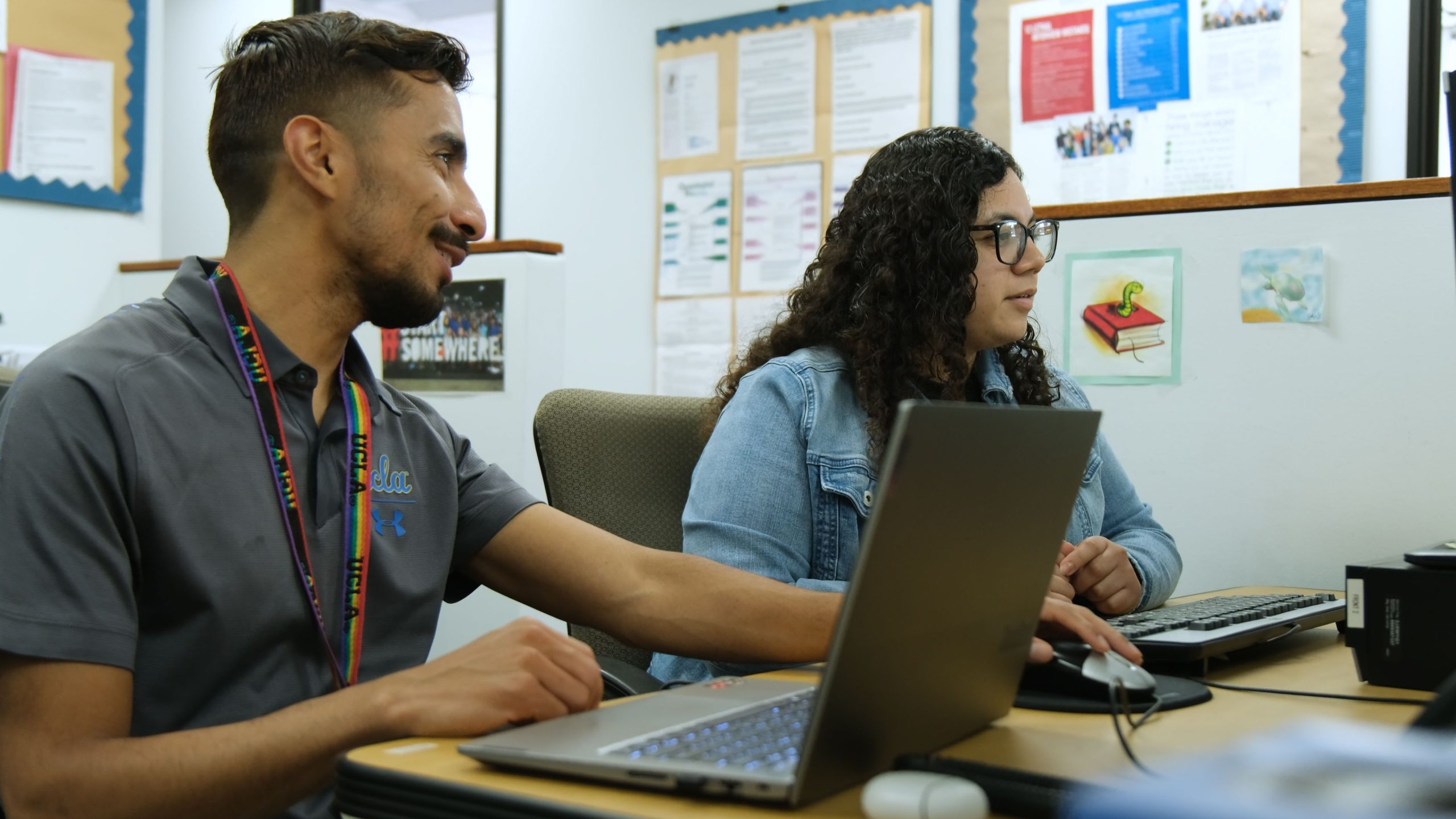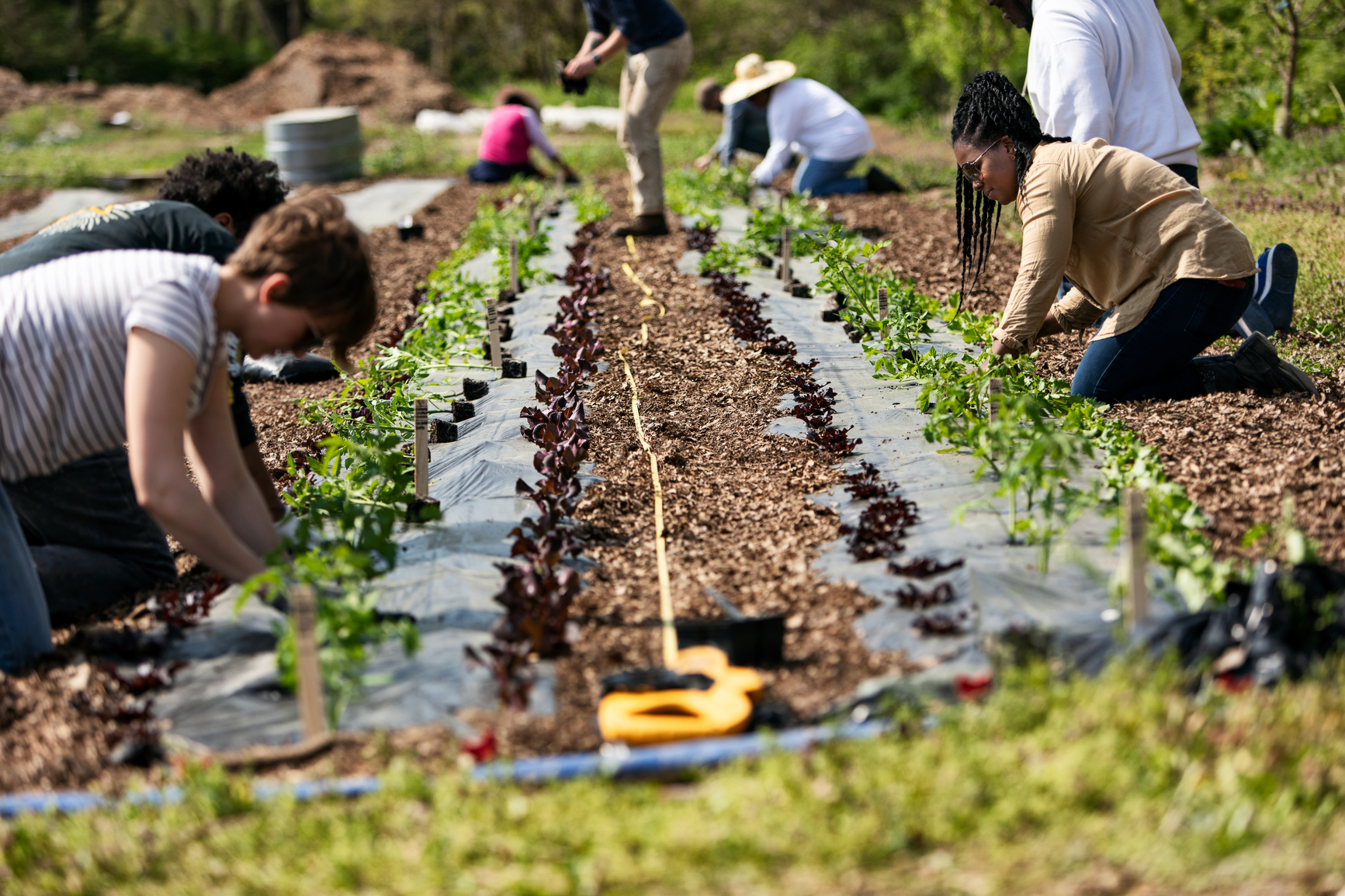
NFF consultants partner with LA County nonprofits to navigate the financial side of disaster recovery as part of California Community Foundation’s Wildfire Recovery Fund.
The two wildfires that tore through Los Angeles County in January 2025 were the second and third most destructive in California history. Together, the Eaton Fire and Palisades Fire burned through 38,000 acres, killing 31 people and destroying 17,000 structures, including homes, schools, businesses, and places of worship.
In the wake of the fires, community members mobilized quickly, forming new volunteer‑led organizations to fill critical gaps in the recovery effort – often while dealing with the loss of their own homes. Grassroots nonprofits, community‑based organizations, and local faith groups also expanded their services dramatically to meet urgent needs. Philanthropy and individual donors responded with an influx of support that made this work possible, but it also created new operational pressures. Organizations that had been small or entirely volunteer‑run suddenly needed to scale their efforts, manage significantly larger budgets, and navigate nonprofit financial management and reporting requirements. Many leveraged deep partnership and technical support to sustain and structure their expanded roles in the recovery.
With the support of California Community Foundation’s (CCF) Wildfire Recovery Fund, NFF is partnering with these LA County nonprofits to navigate the financial side of disaster recovery. As they take on expanded roles in rebuilding their communities, many seek support to develop the financial systems, planning tools, and reporting practices to manage new funding streams and steward resources effectively. Through one‑on‑one capacity‑building in financial literacy, management, and scenario planning, as well as financial storytelling, NFF’s Consulting team is equipping 15–18 organizations to carry out their recovery work and secure the funding essential for long‑term rebuilding.
“As a longtime partner to CCF, we know the value NFF brings to supporting LA nonprofits to plan for and manage through shifting funding and operating realities,” says Rosemary Veniegas, Senior Vice President, Impact and Outcomes at CCF. “We were grateful to have NFF in the community as a partner to support the local organizations stepping up to lead.”
A Phased Approach
Rapid response funding helped organizations expand or add services to meet urgent needs like food, housing, mental health, case management, and financial aid, while recovery funding aids those addressing longer-term challenges like helping families navigate the process of rebuilding homes and businesses and restoring their livelihoods. Funding for disaster response and relief almost always eclipses the support for later stages like reconstruction, recovery, resilience, and risk reduction and mitigation.
“Organizations expanded their expense bases to meet demand and coordinated supplies and resources at a massive scale as volunteers. But they know it’s not sustainable over the long term,” explains NFF Consulting Director Mariesa Kubasek. “Sustained recovery funding has its own challenges to navigate as programming shifts from the initial response toward longer term recovery.” NFF’s support will be especially helpful as organizations spend down the influx of funding and navigate the shift from disaster response to recovery and resilience.
The already fraught work is complicated by the reality that staff are often dealing with the same issues with which they’re supporting clients. “Many people leading recovery efforts now have a second full-time job dealing with insurance and rebuilding their own homes,” Kubasek says. “They’re going full tilt personally and professionally.”
“We know from past disaster response locally and in other communities that this work can take decades. We’re intentionally phasing our grantmaking and coordinating with other funders so that organizations have the support they need to deliver crucial services to communities as local response continues.”
Rosemary Veniegas, Senior Vice President, Impact and Outcomes, CCF
As communities face more frequent and more severe disruptions – as wildfires and storms lead to prolonged displacement and costly rebuilds – each event places enormous pressure on the organizations that step up first and stay the longest. Successful recovery requires deep collaboration among community foundations, government partners, intermediary partners, and the locally led nonprofits and community groups carrying the work on the ground. These organizations often find themselves navigating rapid growth, complex funding streams, and new operational demands at the very moment their communities need them most. It is essential to support them to build the financial skills, systems, and planning tools required to sustain this work. Strong financial capacity ensures nonprofits can continue to deliver critical services and steward resources that rebuild community well‑being.
To address these realities, CCF is carefully stewarding its funding to support organizations over the long term. “We know from past disaster response locally and in other communities that this work can take decades,” says Veniegas. “We’re intentionally phasing our grantmaking and coordinating with other funders so that organizations have the support they need to deliver crucial services to communities as local response continues.”
Nonprofits over their lifespans will have many growth and inflection points, and strong financial skills help ensure they can sustain the work to build community wealth and well-being, no matter what comes next.
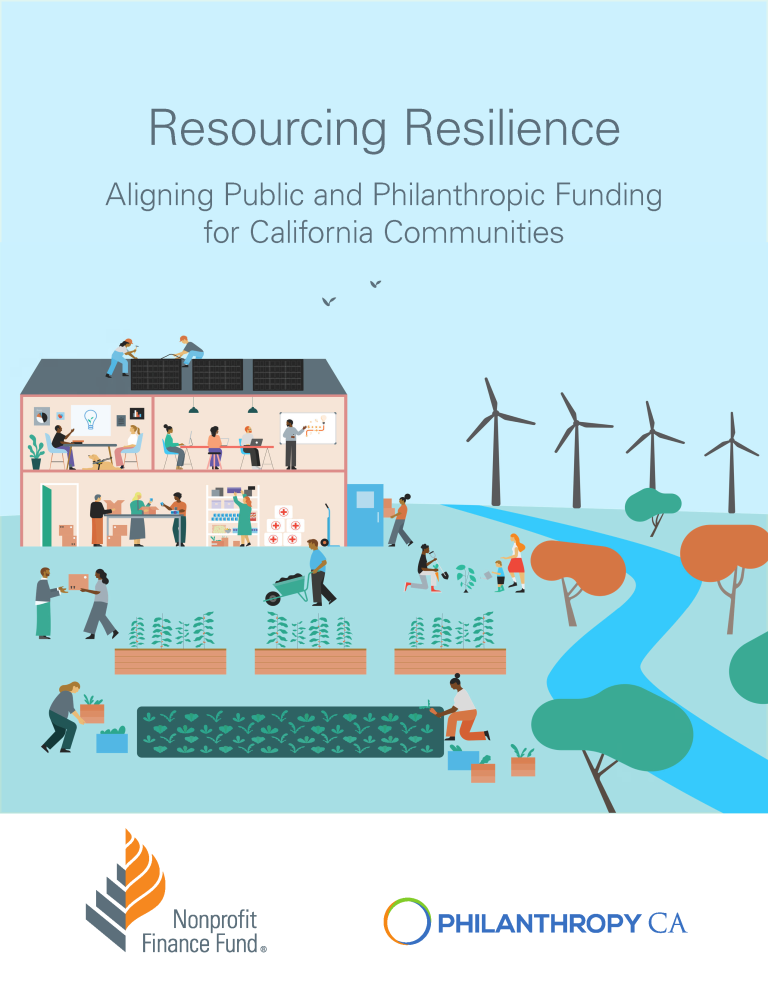
NFF and Philanthropy California were putting finishing touches on the Resourcing Resilience report when the two wildfires broke out in Los Angeles County. The report serves as a call to action for both public and philanthropic funders to unlock pathways to more equitable, accessible funding to address the real challenges community face for their work on climate adaptation and mitigation, and disaster resilience.
Visit NFF’s Consulting page to learn more about how NFF’s Consulting practice helps nonprofits achieve their goals.